 Sedona City Guide
Sedona or Flagstaff: Which City Deserves Your Base
Last reviewed 2026-09-09
Sedona or Flagstaff is a decision about elevation as much as it is about scenery, and this page owes you the honest half of that comparison rather than only the half that favors Sedona. Why Sedona anchors this whole guide in the first place is explained on the homepage. Sedona sits at about 4,500 feet, Visit Sedona's own published figure, since no USGS benchmark elevation exists for the city itself. Flagstaff sits near 7,000 feet on its own tourism bureau's figure, roughly 2,500 feet higher, which changes the temperature, the terrain and the kind of trip each city supports. This page compares the two across seven dimensions, states plainly where Flagstaff wins, and gives the honest verdict for a traveler choosing a base rather than picking sides. Figures below are read from each city's own tourism bureau and the National Park Service in Q3 2026.
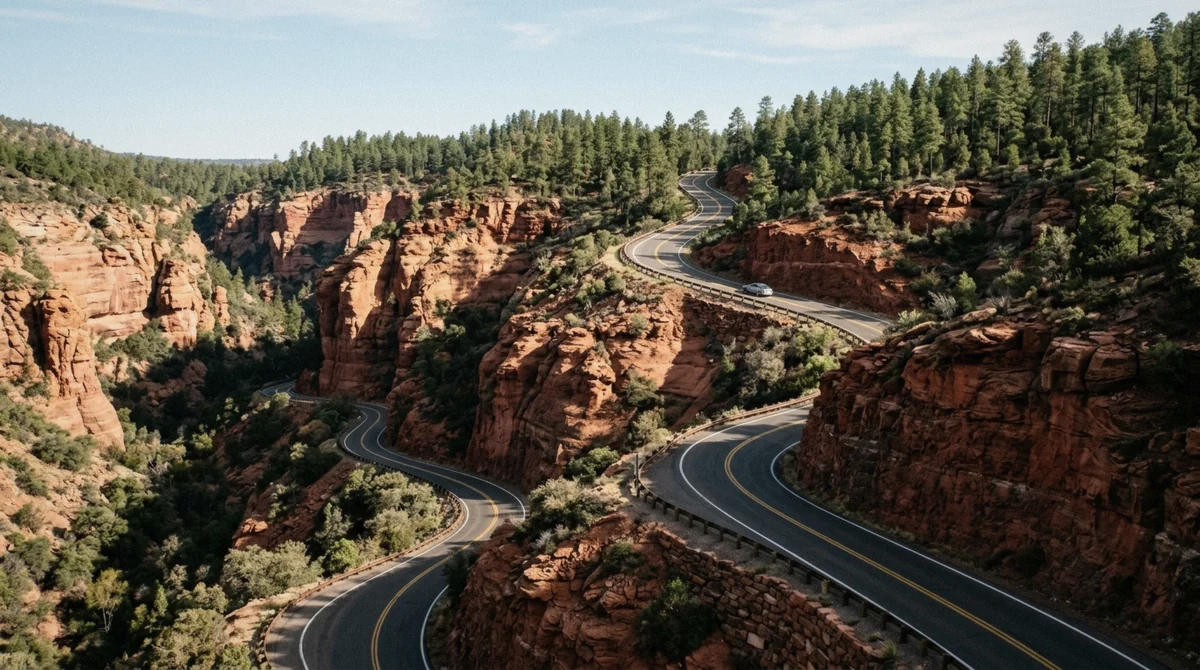
Quick answer The verdict, the elevation gap, and where Flagstaff genuinely wins
Choose Sedona if red rock scenery, hiking among the formations themselves and a shorter drive to most Verde Valley sights matter most. Choose Flagstaff if summer heat relief, an observatory, three national monuments and lower lodging prices matter more. Flagstaff sits about 2,500 feet higher and is noticeably cooler in the months Sedona is hottest. With time for both, base in one and day-trip the other; the drive between them runs through Oak Creek Canyon and is itself a reason to make the trip.
Key takeaways
- Sedona: about 4,500 feet (Visit Sedona's own figure); Flagstaff: near 7,000 feet (Discover Flagstaff's own figure). The single biggest reason the two cities feel different
- Lowell Observatory in Flagstaff has no Sedona equivalent. Adult admission runs about $35
- Sedona's own tickets index and things-to-do hub cover the red rock landmarks Flagstaff does not have
- The drive between the two runs Oak Creek Canyon's scenic route, worth doing regardless of which city you base in
Elevation and Climate: the Dimension That Decides Everything Else
This is the fact that most Sedona-versus-Flagstaff comparisons underplay. Sedona's elevation has no official USGS benchmark figure. The GNIS record for the City of Sedona carries no elevation field at all, and sedonaaz.gov's own site blocks automated access, so the widely repeated 4,360-foot figure cannot be traced to a verifiable government source. The best available number is Visit Sedona's own published about 4,500 feet, and that is the figure this page uses, stated as the tourism bureau's own estimate rather than a surveyed benchmark.
Flagstaff's own tourism bureau, Discover Flagstaff, states "approximately 7,000 feet (2,134 m)", a gap of roughly 2,500 feet that translates directly into a cooler, shorter, more forested climate. Sedona's own thirty-year climate data puts June and July average highs at 31.9°C and 33.0°C (about 89°F and 92°F); Flagstaff, at nearly a mile and a half higher, runs noticeably cooler through the same months, though this guide has not independently sourced Flagstaff's own thirty-year averages and will not print an unsourced figure for them. The practical consequence: Flagstaff is the better summer escape, and Sedona is the milder winter base, almost entirely because of this elevation difference.
The Headline Sights
Sedona's list is red rock: Cathedral Rock, Devil's Bridge, Bell Rock, the Chapel of the Holy Cross, and the whole of this site's things-to-do hub built around formations you hike among rather than look at from a distance. It is a landscape city. The terrain itself is the attraction, not a building or an institution.
Flagstaff's list is institutional rather than geological, and it is genuinely strong: Lowell Observatory, where Pluto was discovered, with adult admission around $35 covering guided tours, exhibits and stargazing; Walnut Canyon National Monument at $25 per vehicle; Sunset Crater Volcano and Wupatki National Monuments on a combined $25 vehicle pass; and Arizona Snowbowl, a working ski resort in winter with a summer scenic chairlift running weekends. Three national monuments and a working observatory is a list no red rock city, Sedona included, can match on its own terms.
Verdict: a genuine split. Sedona wins on landscape and hiking; Flagstaff wins on built attractions and variety, and the observatory specifically has no equivalent anywhere in this comparison.
The Scorecard, Dimension by Dimension
Seven dimensions summarized from the sections on this page. Figures are read from Visit Sedona, Discover Flagstaff and the National Park Service's own pages in Q3 2026.
| Dimension | Sedona | Flagstaff | Verdict |
|---|---|---|---|
| Elevation | About 4,500 ft (Visit Sedona) | About 7,000 ft (Discover Flagstaff) | Flagstaff, for cooler summers |
| Headline sights | Red rock formations, hiking-centered | Observatory, 3 national monuments, ski resort | Draw, different kinds |
| Summer heat | Highs above 30°C (86°F) June-August | Cooler by elevation; not independently sourced here | Flagstaff |
| Hiking among landmarks | Cathedral Rock, Devil's Bridge and more, in town | Trails exist, but not the same red rock terrain | Sedona |
| Day-trip base for the region | Verde Valley, Jerome, Oak Creek Canyon nearby | Grand Canyon South Rim closer (90 min via I-40) | Depends on target: Grand Canyon favors Flagstaff |
| Airport access | No commercial airport; Phoenix shuttle from $69 | Flagstaff Pulliam (FLG), small commercial service | Flagstaff |
| Typical lodging cost | Higher demand, resort-town pricing | Generally lower; not independently sourced here | Flagstaff, by reputation |
Two to Sedona, three to Flagstaff, two draws or depends-on-target. The honest shape of this comparison is that Flagstaff wins the practical and summer-comfort dimensions while Sedona wins the reason most people come to this region in the first place: the red rock itself.
Where Flagstaff Genuinely Wins
A Sedona-based guide should say this plainly rather than bury it. Flagstaff wins on elevation and summer temperature, full stop, anyone visiting Arizona in June, July or August and wanting daytime comfort without air conditioning has a real argument for basing in Flagstaff instead. It wins on Lowell Observatory, a working scientific institution with no Sedona equivalent at any price.
It wins on national monuments: Walnut Canyon, Sunset Crater Volcano and Wupatki are all Flagstaff day trips, not Sedona ones. It has a small commercial airport, Flagstaff Pulliam Airport (FLG), where Sedona has none at all. Every Sedona visitor either drives in or takes a scheduled shuttle from Phoenix Sky Harbor, which starts at $69 one-way via Groome Transportation.
And Flagstaff is generally understood to run cheaper on lodging than Sedona's resort-town pricing, though this guide has not independently sourced a Flagstaff lodging figure and will not print an invented one.
As a Base for the Grand Canyon
This is the dimension most trip planners are really asking about when they type "Sedona or Flagstaff." The National Park Service's own directions page states a 90-minute drive from Flagstaff to the South Entrance via I-40, and a 60-minute drive from Williams. Both meaningfully shorter than any drive from Sedona, for which the NPS publishes no distance at all. If the Grand Canyon is the single most important day of the trip, Flagstaff is the geographically better base for it, and the Grand Canyon from Sedona page covers the drive from Sedona's side honestly: the standard route runs through Flagstaff anyway, via SR-89A and I-17.
The counter-argument is timing, not distance: basing in Flagstaff for the Grand Canyon means giving up evenings among Sedona's red rock, which is the scenery most people are in the region for in the first place. A visitor who wants both gets neither compromise-free. See the do-both section below.
The Drive Between Them
No official source states a precise Sedona-to-Flagstaff distance or time, but the commonly cited route runs SR-89A through Oak Creek Canyon, a scenic corridor the Oak Creek Canyon page covers in full. This is not a drive to rush regardless of which city you are based in: the road climbs from Sedona's red rock through a forested canyon and switchbacks up to Flagstaff's higher elevation, and the change in vegetation and temperature over that drive is itself one of the more striking transitions in the American Southwest.
The practical consequence: connecting the two cities costs the better part of an hour of driving, not a full day, so "or" becomes "and" for any trip of four nights or more, and the drive itself is worth doing even if you never intend to sleep in the other city.
Sedona or Flagstaff, by the Trip You Are Taking
If the red rock formations are the reason for your trip
Sedona, and stay in it. the things-to-do hub has the full list.
If you are visiting in June, July or August and heat matters
Flagstaff, for the elevation and the cooler daytime highs.
If the Grand Canyon is the single most important day
Flagstaff, 90 minutes from the South Entrance by the NPS's own figure versus no published Sedona distance.
If you want Lowell Observatory or a national monument day
Flagstaff: none of those exist in or near Sedona.
If you have four or more nights
base in Sedona for the scenery and day-trip Flagstaff, or the reverse. The drive through Oak Creek Canyon is under an hour and worth doing either direction.
If budget for lodging is the deciding factor
Flagstaff is generally understood to run cheaper, though this guide has not sourced a specific figure. Check current rates directly before committing.
Sedona Tours That Route Through Flagstaff
Several Sedona-based day tours to the Grand Canyon depart from or pass through Flagstaff. Prices are the figures listed in tours.json, checked 2026-09-09.
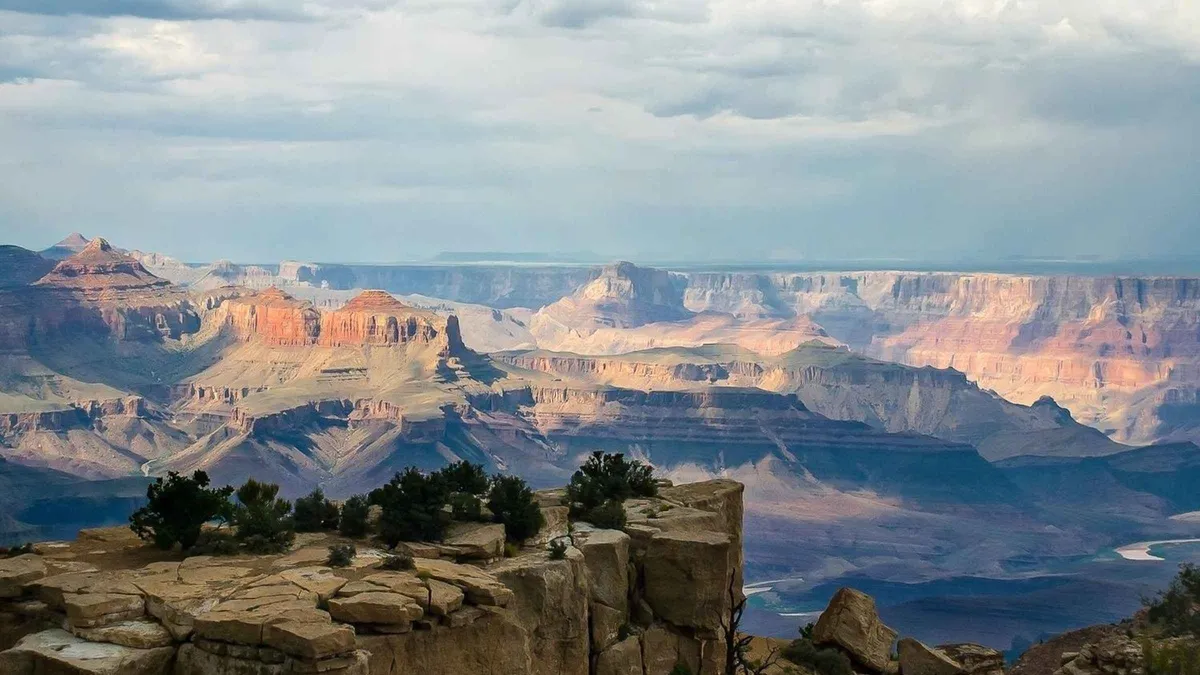 from $191.14
From Sedona or Flagstaff: Grand Canyon Full-Day Tour
A fully narrated 10-hour day trip along the South Rim with departure options from either Sedona or Flagstaff. Suits travelers staying in either town who want one guide covering both the geology and history of the canyon.
Check Availability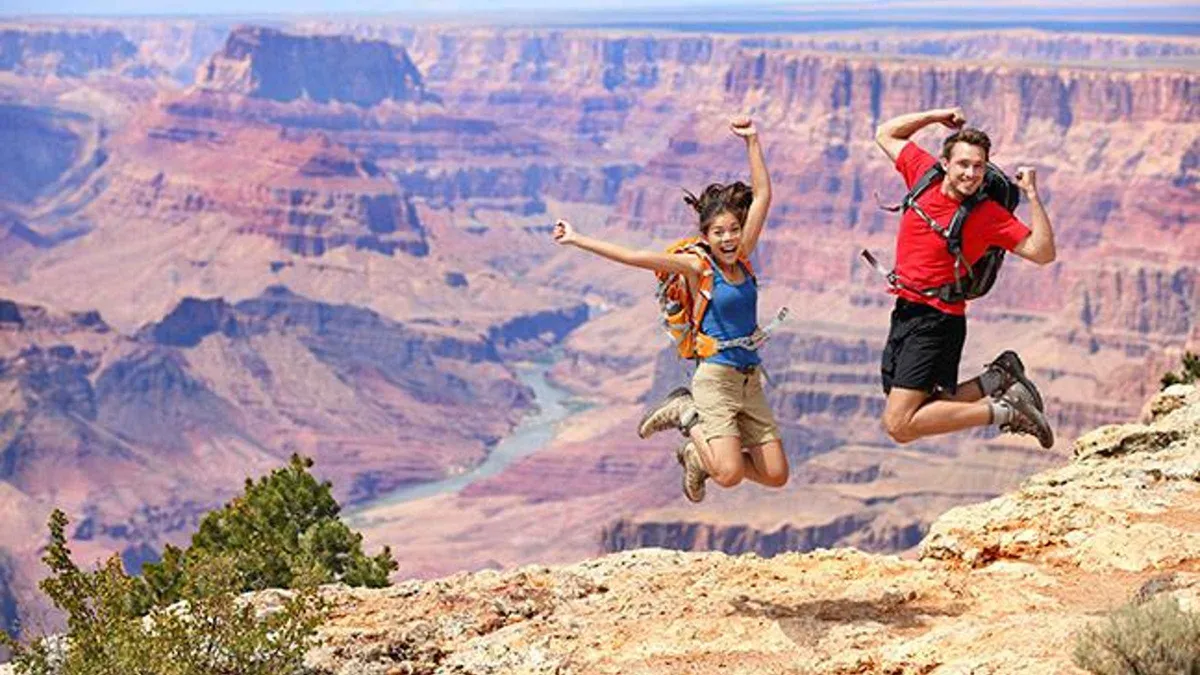 from $191.14
The Grand Canyon Classic Tour From Sedona, AZ
An 11-hour van run from Sedona to the Grand Canyon's South and East Rims, with stops at the Watchtower Observatory and the historic Cameron Trading Post along the way. Suits a first Grand Canyon visit where you would rather not drive the 2-plus hours each way yourself.
Check Availability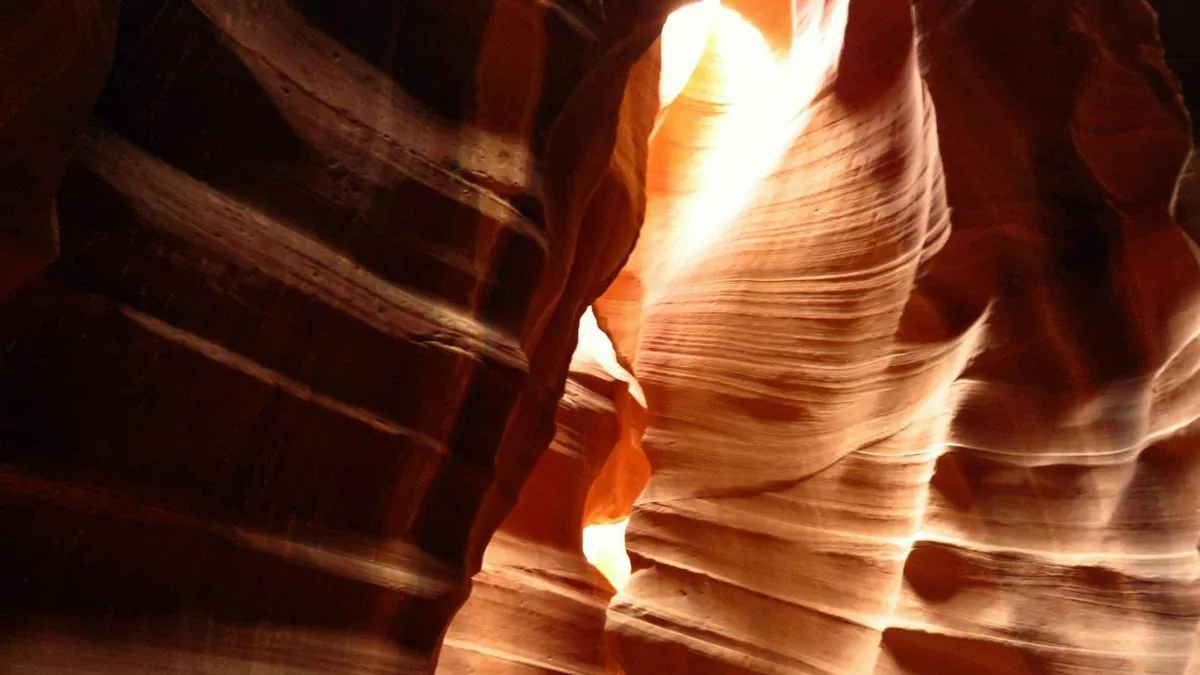 from $311.97
From Flagstaff or Sedona: Antelope Canyon Full-Day Tour
A full-day Antelope Canyon trip from Flagstaff or Sedona built around the water-carved slot canyon's light and color rather than a multi-stop itinerary. Suits travelers who want Antelope Canyon as the single focus of the day.
Check AvailabilityPrices, ratings and details are the platform's own, checked in Q3 2026; dollar figures are the listed prices — the platform bills in your account's currency.
Sedona or Flagstaff: the questions that decide it
Why do people love Sedona so much?
The red rock formations themselves, Cathedral Rock, Devil's Bridge, Bell Rock and the rest are landmarks you hike among rather than view from a distance, and Sedona's compact size puts several of them within a short drive of any lodging in town. The things-to-do hub covers the full list of what draws visitors specifically to Sedona rather than the wider region.
Why is Flagstaff so popular?
Its elevation, near 7,000 feet on Discover Flagstaff's own figure, brings cooler summers, ponderosa pine forest and proximity to Lowell Observatory, three national monuments and the Grand Canyon's South Rim, which the National Park Service states is 90 minutes away via I-40. Closer than any published route from Sedona. See where Flagstaff genuinely wins above.
Is it cheaper to stay in Sedona or Flagstaff?
Flagstaff is generally understood to run cheaper on lodging, reflecting its role as a larger, more year-round city rather than a resort town, but this guide has not independently sourced a specific lodging figure for Flagstaff and will not print an invented one. Sedona's own cost breakdown has sourced figures for what a Sedona trip costs.
Is the drive from Flagstaff to Sedona scenic?
Yes: the standard route runs SR-89A through Oak Creek Canyon, a forested, switchbacking corridor that is itself a worthwhile drive regardless of which city you are based in. The Oak Creek Canyon page covers the route and what to stop for along it.
Should I stay in Sedona or Flagstaff for the Grand Canyon?
Flagstaff, geographically: the National Park Service states a 90-minute drive from Flagstaff to the South Entrance via I-40, while no NPS page publishes a Sedona-specific distance at all. The trade-off is giving up evenings among Sedona's red rock scenery; see as a base for the Grand Canyon above for the full argument.
Is hiking better in Flagstaff or Sedona?
For the red rock landmark hikes most visitors come to this region for, Cathedral Rock, Devil's Bridge, Bell Rock, Sedona, decisively; Flagstaff's terrain is forested and volcanic rather than red sandstone. Sedona's hiking trails hub covers the full list this site tracks.
Both Cities, Compared on Camera
Three takes on the same choice: a direct Sedona-versus-Flagstaff comparison, and a day-trip look at each city on its own.
Sedona vs Flagstaff
A direct comparison of the two cities from a Northern Arizona perspective.
Video: Living in Northern ArizonaSedona Day Trip | A Must-See Arizona Travel Guide (4K)
A full day-trip guide to Sedona, useful for weighing what a Sedona-based day actually looks like.
Video: Living in Arizona NowFlagstaff Arizona Day Trip | Hidden Gems & Things To Do 2026
The Flagstaff side of the comparison, covering sights this page discusses in the scorecard.
Video: Living in Arizona NowVideos load from YouTube only when you press play.